Answers
Frequently Asked Questions
Learn how we treat, what tea fertilizer and soil programs we offer, and why ecosystem health matters.
Identification & FAQ Library
Common Arizona Pest Guides
Click on any pest below to view detailed identification facts, local habits, and specific frequently asked questions.


Pest Control Services
-
We use modern, low-toxicity pest control products that target pests specifically and break down quickly without leaving sticky or smelly chemical residues. For clients who prefer it, we also offer safe, botanical and mineral-based treatment packages.
-
We treat ants, roaches, crickets, beetles, spiders, black widows, silverfish, and earwigs using traditional effective methods. Scorpion and mosquito control are available as dedicated service programs with tailored protocols for each.
-
Most East Valley homes benefit from quarterly treatments. We renew the perimeter barrier each season and adjust frequency to your property size and active pest pressure. Some clients with heavy scorpion or ant pressure start with monthly visits, then transition to quarterly.
-
Yes. All our standard treatments use low-toxicity materials that are kid & pet friendly. Treated surfaces are safe for re-entry same day — typically within 30–60 minutes once the product has dried. Safe botanical treatments are also available.
-
Yes. Scorpion treatment is one of our most requested services. We treat entry points, harborage sites (block walls, wood piles, debris), and establish a perimeter barrier effective against Arizona bark scorpions.
Mosquito Control
-
In2Care® is a professional mosquito control system that uses a biological larvicide (Bacillus thuringiensis israelensis) combined with a fungus that attaches to adult mosquitoes and spreads to nearby breeding sites when they visit other stagnant water sources. It targets mosquitoes specifically without harming bees, butterflies, or beneficial insects.
-
Broad-spectrum fogging kills mosquitoes on contact but also kills bees and beneficial insects, requires you to stay indoors for hours, and provides no residual protection as new mosquitoes hatch. In2Care® targets the larval stage continuously and is far more effective over a season.
-
Most clients notice a significant reduction in mosquito activity within 2–3 weeks as the first generation of larvae are eliminated. Full effectiveness builds over the first two monthly service visits.
-
No. Our mosquito service is month-to-month. We charge monthly because the In2Care® system requires regular replenishment of biological agents — but you can cancel anytime.
Tree Fertilizing
-
Arizona's alkaline caliche soil blocks nutrient absorption at the surface. We use a soil injection probe to deliver chelated iron, organic humates, and mycorrhizal inoculants directly into the feeder root zone at 12–18 inches depth — bypassing the chemistry barrier entirely. Our deep-root tea fertilizer is safe and biological.
-
Yellowing citrus in the East Valley is almost always iron chlorosis. Arizona's alkaline soil (pH 7.5–8.5) locks iron into a form roots can't absorb. We inject chelated iron directly into the root zone, which typically shows visible improvement within 4–6 weeks.
-
Generally 2–4 times per year, timed to Arizona growing seasons. Most trees benefit from a late-winter application before spring push and a fall application after summer stress. We build a custom schedule based on your specific species and soil conditions.
-
Citrus, mesquite, desert willow, palo verde, queen palm, and most ornamental trees in East Valley yards respond well. Any tree showing yellowing, dieback, or slow growth is a strong candidate for assessment.
Tree Pruning
-
Late winter (February–March) and early summer (May–June, before monsoon) are the primary windows for most trees. Citrus should be pruned in late winter before new growth. We time all work to the specific species and Arizona seasonal calendar.
-
Lion-tailing strips interior foliage and leaves growth only at branch tips, creating a heavy, unbalanced canopy prone to limb failure in monsoon winds. It stresses the tree by removing too much foliage at once. We never lion-tail. Every cut we make has a structural or health reason.
-
No. Topping creates large wounds that don't close properly, stimulates weak "water sprout" growth, and puts trees in long-term structural decline. We achieve size reduction through proper reduction cuts that the tree can compartmentalize and heal.
-
Yes. Citrus pruning requires a specific approach — over-pruning reduces yield, while under-pruning creates crowded, disease-prone canopies. We remove crossing branches, deadwood, and suckers while preserving the fruiting wood structure.
Tree Maintenance
-
We evaluate canopy density, leaf color, bark condition, root zone soil health, signs of disease or pest activity, and irrigation coverage. You receive a clear summary of findings and specific recommendations for the coming season.
-
Summer heat stress shows as leaf drop, tip dieback, and yellowing in August–September. We diagnose the specific cause — underwatering, iron deficiency, root damage, or disease — then build a recovery plan. Usually this starts with deep-root tea fertilization and irrigation calibration.
-
Several bark beetle species target stressed and declining trees in the Phoenix metro. Once established inside, they are extremely difficult to manage. Our approach is prevention-first — keeping trees healthy enough to resist attack — combined with early detection and targeted management when identified.
-
Often yes. Visually healthy trees frequently have developing issues below the surface — early root compaction, soil pH problems, or disease in the vascular system — that manifest as visible decline 6–18 months later. Proactive maintenance is far less expensive than emergency tree work or intensive recovery.
General Questions
-
No. Bug & Bloom does not require contracts for any service. You schedule when you want, and we earn your repeat business through results. The only exception is our monthly mosquito control program, which is month-to-month (not annual contract) because the biological agents require regular replenishment.
-
We serve Mesa, Gilbert, Chandler, Tempe, Scottsdale, Apache Junction, Queen Creek, and surrounding East Valley communities. Call us to confirm coverage for your specific neighborhood.
-
A dedicated Bug & Bloom technician — not a rotating franchise employee following a checklist. Your technician learns your property and stays consistent visit to visit, which is why our clients see results and keep coming back.
-
Call us at (480) 791-2847 or use the estimate form below. We typically respond same day and can usually schedule an initial visit within 24–48 hours.
Scorpions FAQ
-
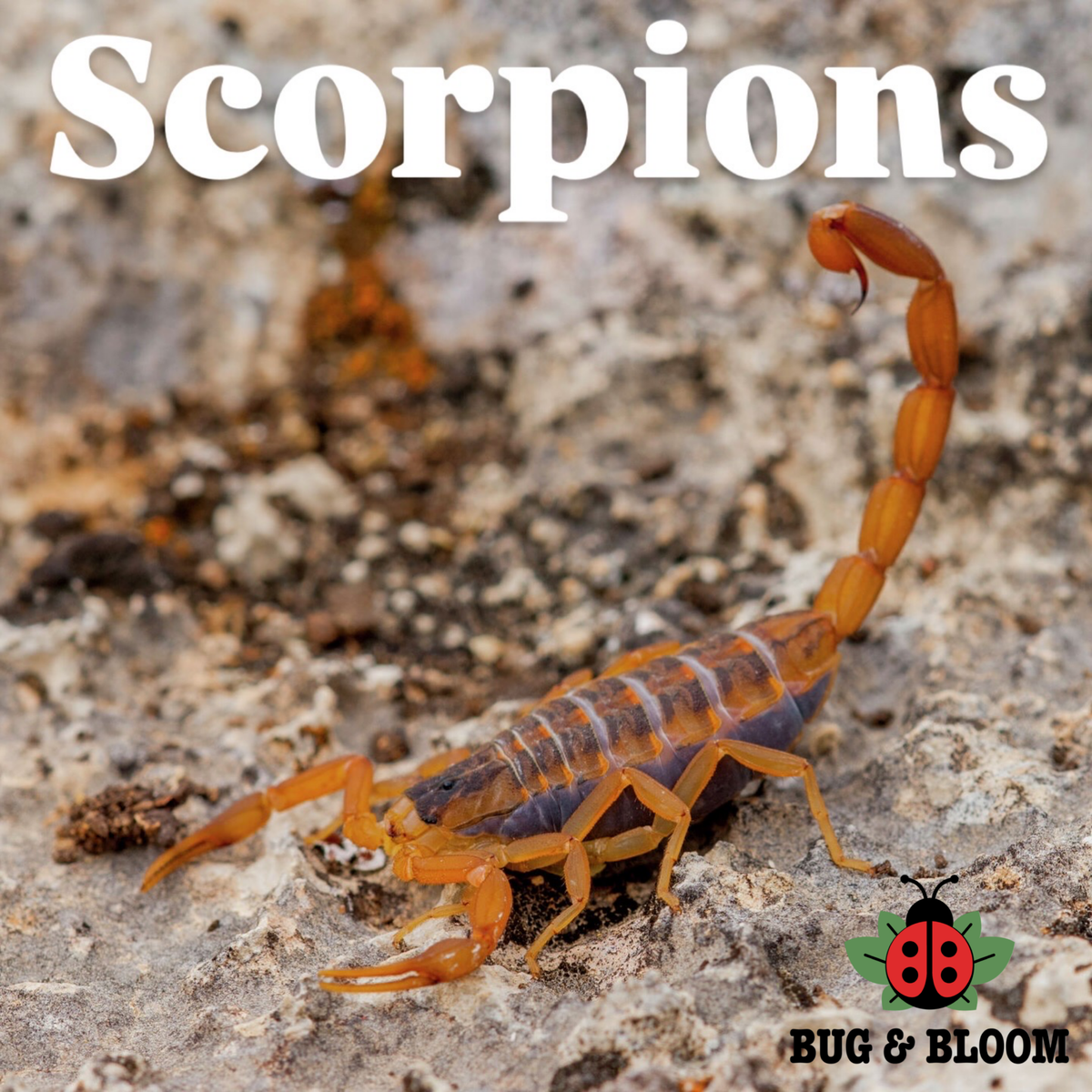
Arizona bark scorpions are thin, light tan, and about 1 to 3 inches long. Unlike other Arizona scorpions, they can climb vertical surfaces like stucco walls, block fences, and trees, and they rest upside down. You can easily spot them at night using a UV blacklight, as their exoskeletons glow a vibrant neon blue-green under ultraviolet light.
-
A sting from an Arizona bark scorpion causes intense, immediate pain followed by localized numbness, tingling, and sensitivity. While most healthy adults recover at home, stings can be highly dangerous for young children, elderly individuals, pets, and anyone with an allergic reaction. If severe symptoms like difficulty breathing, muscle twitching, or blurred vision occur, seek medical attention immediately.
-
We use an integrated system. We apply long-lasting, low-toxicity micro-encapsulated barrier treatments around your home's foundation, focus areas like block walls, and entry points. We also focus on food-source reduction (like crickets and roaches) and advise on physical exclusion (sealing cracks) and harborage reduction (removing woodpiles and debris) to naturally force them off your property.
Crickets FAQ
-
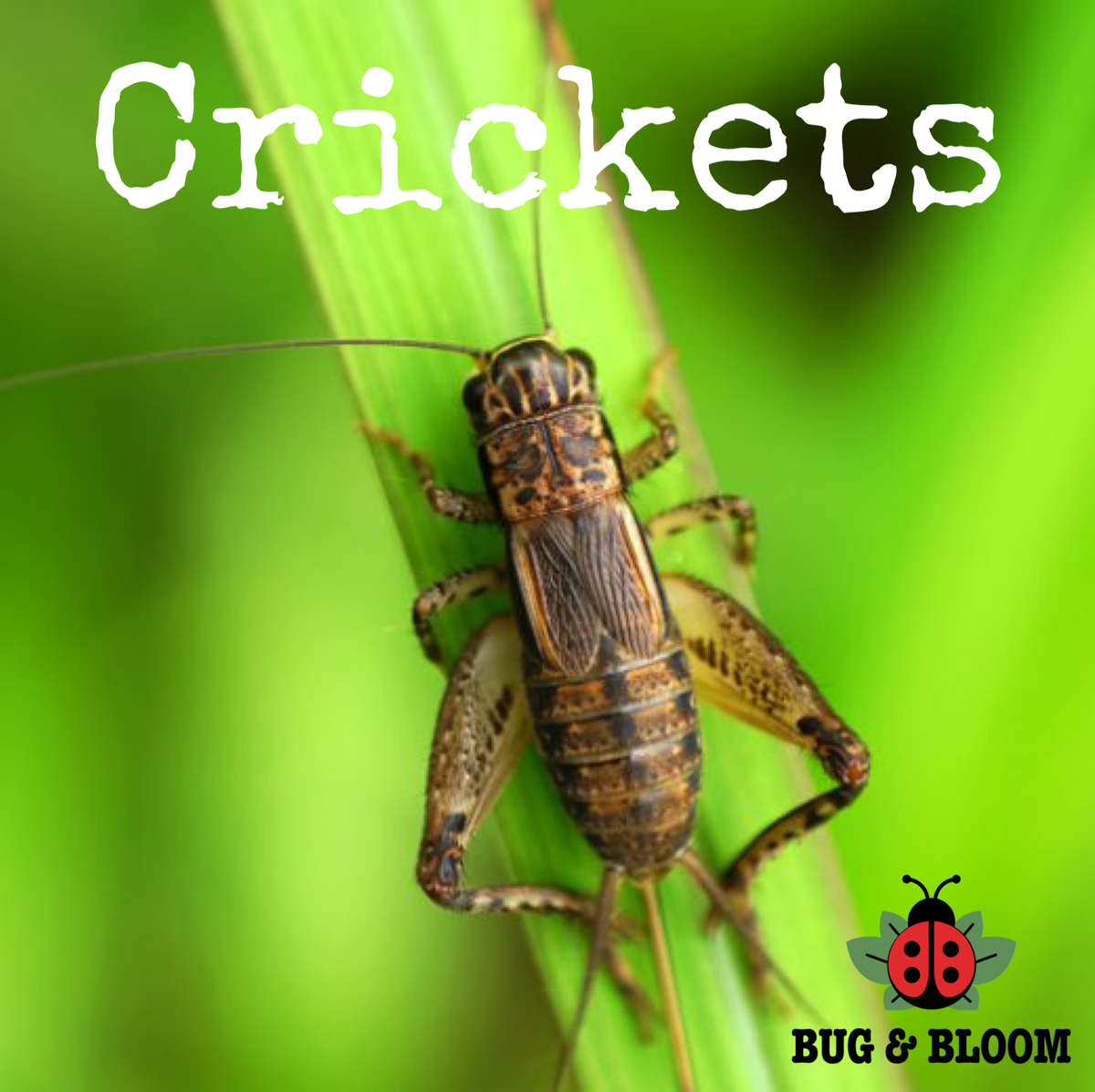
Only male crickets chirp, and they do so to attract female mates or warn away other males. They produce the sound by rubbing their textured wings together (a process called stridulation), not their legs. Because they are nocturnal, this behavior occurs almost exclusively at night, which can be highly disruptive to sleep.
-
Yes. While harmless to humans, crickets have chewing mouthparts and will chew on organic fabrics like cotton, wool, linen, and paper products, especially if stained with food or sweat. In the garden, large cricket populations can chew on tender plant shoots, flowers, and vegetable crops, hindering your landscape's growth.
-
Crickets are the absolute favorite food source for scorpions. If your yard has a thriving cricket population, it acts as an open buffet that attracts hunting scorpions to your property. Controlling crickets is one of the most effective ways to naturally reduce scorpion pressure.
Ants FAQ
-
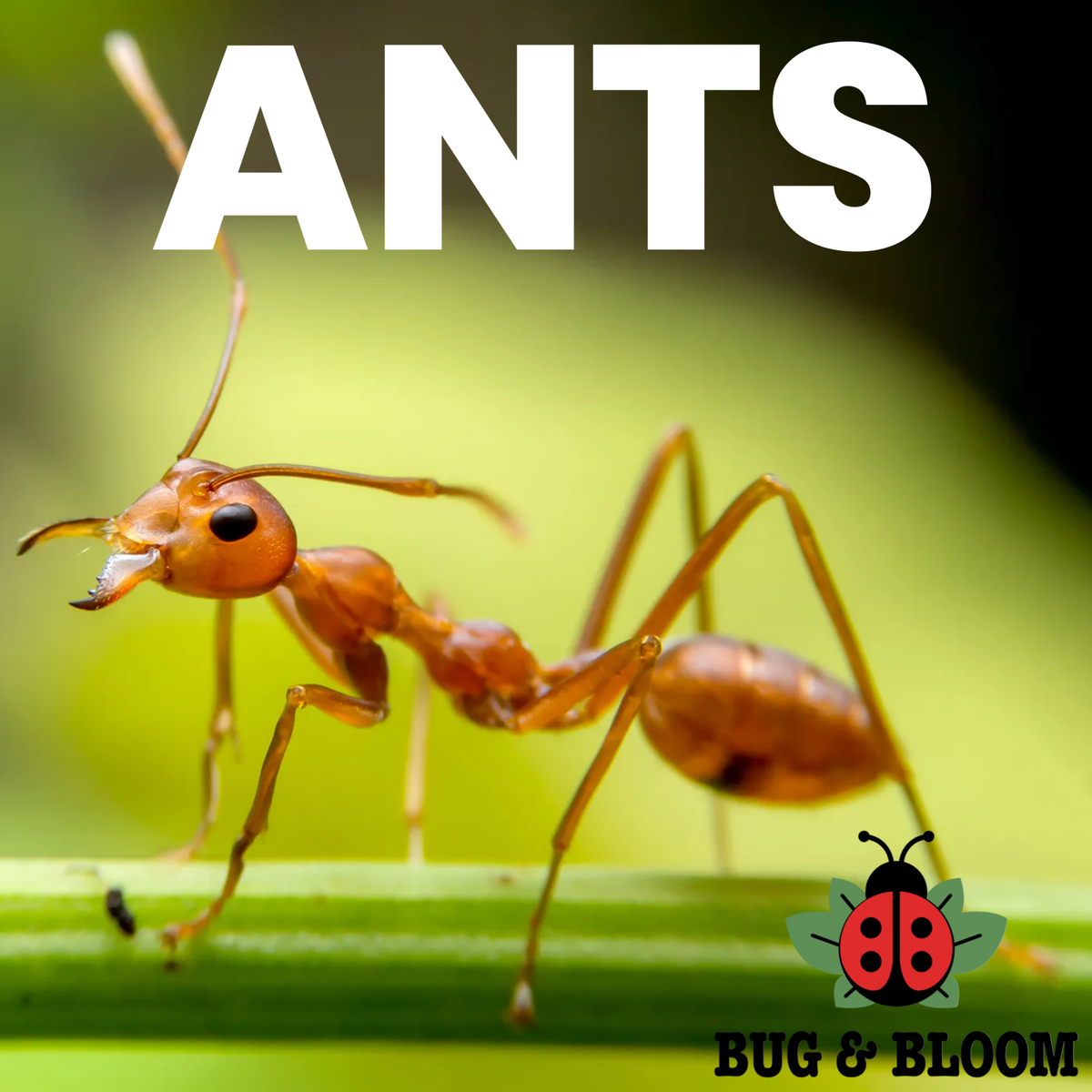
The most frequent invaders are Southern Fire Ants (known for nesting in lawns and delivering painful stings), Odorous House Ants (which seek out sweets in kitchens and release a rotten coconut odor when crushed), and tiny Rover Ants (which thrive in damp areas near plumbing and sinks).
-
In the extreme Arizona summer heat, ants seek two things: moisture and sugar. Even a microscopic crumb, sticky honey residue on a jar, or water droplet around a sink can attract scout ants. Once they find a source, they lay down a chemical pheromone trail for the rest of the colony to follow.
-
Instead of spraying aggressive repellent sprays that simply scatter the ants (a process called "budding" which makes the infestation worse), we use target-specific botanical baits. The worker ants carry these baits back to the queen and the heart of the nest, safely eliminating the entire colony at its source.
Wasps FAQ
-
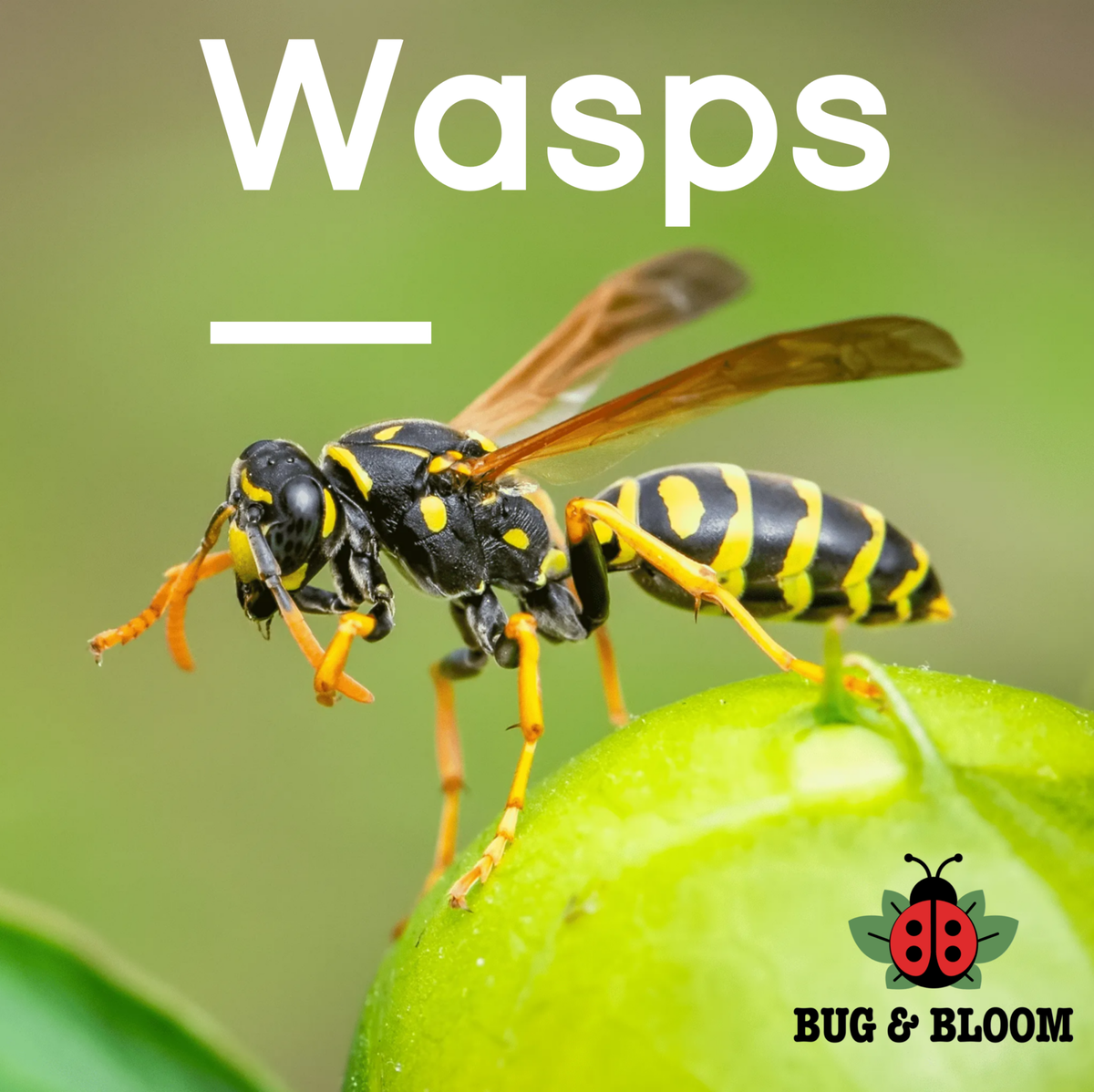
Paper wasps build open, grey, umbrella-shaped paper nests under eaves and patio ceilings, and they are territorial and aggressive if approached. Mud daubers are long, thin, metallic-black wasps that construct tube-like nests out of mud on walls; they are solitary, docile, and rarely sting unless handled.
-
Keep your distance. Wasps can sting repeatedly and will release alarm pheromones that signal other wasps in the nest to attack. It is best to avoid DIY sprays that can cause them to swarm. Bug & Bloom safely removes nests and treats the area to deter future nesting.
-
We apply a targeted, long-lasting botanical repelling treatment to common nesting locations like eaves, patio ceilings, and outdoor light fixtures. We also recommend sealing cracks in exterior stucco and keeping outdoor trash cans tightly sealed.
Spiders FAQ
-
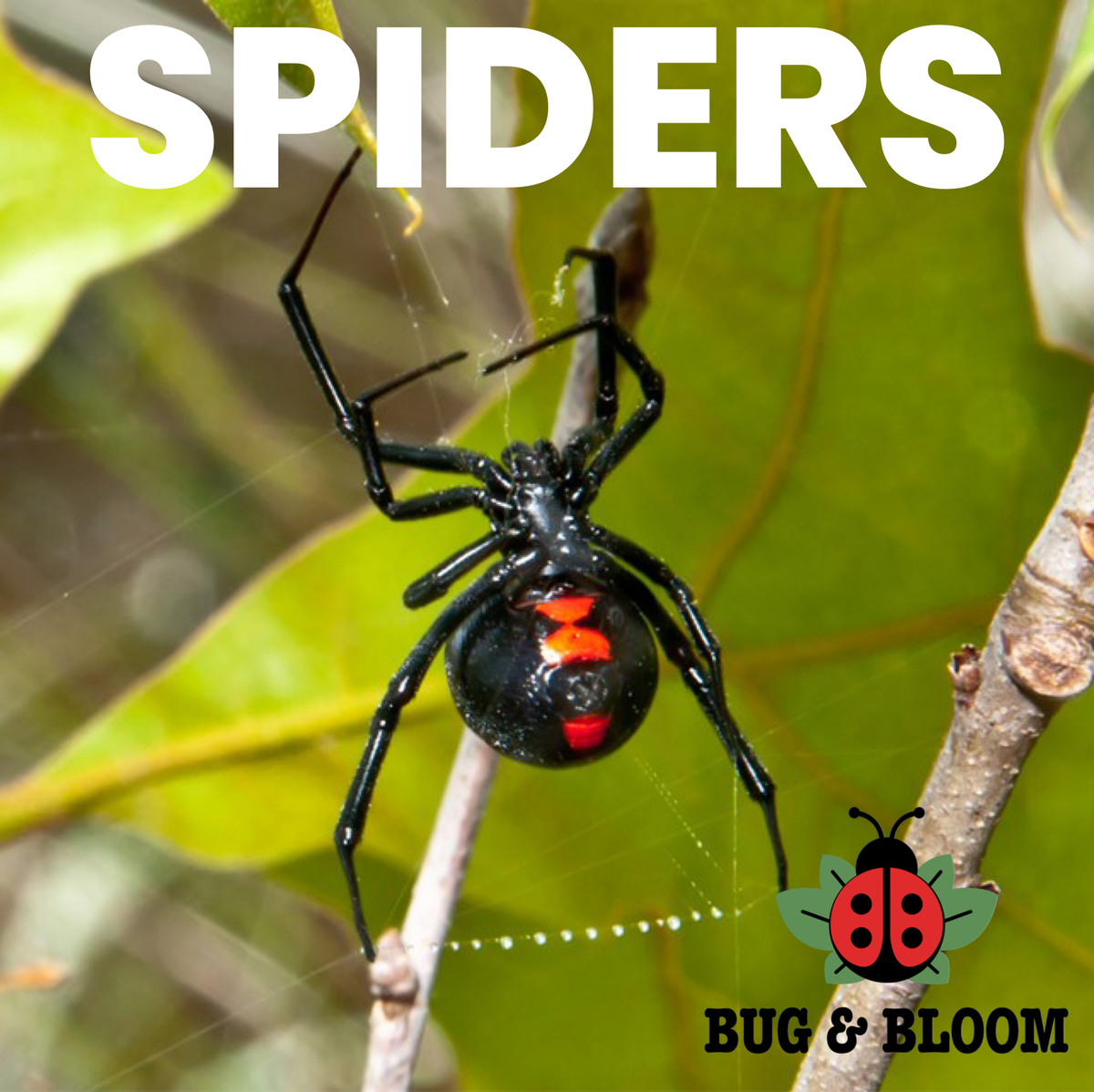
The primary venomous spider of concern is the Black Widow, identifiable by its shiny black body and bright red hourglass shape on its abdomen. They build messy webs in dark, low, undisturbed areas like water meter boxes, garage corners, and woodpiles. Brown spiders (often confused with the Midwest brown recluse) are also present in desert landscapes.
-
No. While wolf spiders are large, hairy, and move very quickly—which can be alarming—they are harmless to humans. They do not spin webs; instead, they are active hunters that eat other pests like crickets and roaches. Their bite is extremely rare and no more painful than a mild bee sting.
-
We establish a low-toxicity protective barrier around your home's foundation, windows, and doors, and we physically sweep down spider webs and egg sacs from eaves and patios. Removing their webs and their insect food supply (like crickets and flies) keeps them from settling.
Earwigs FAQ
-
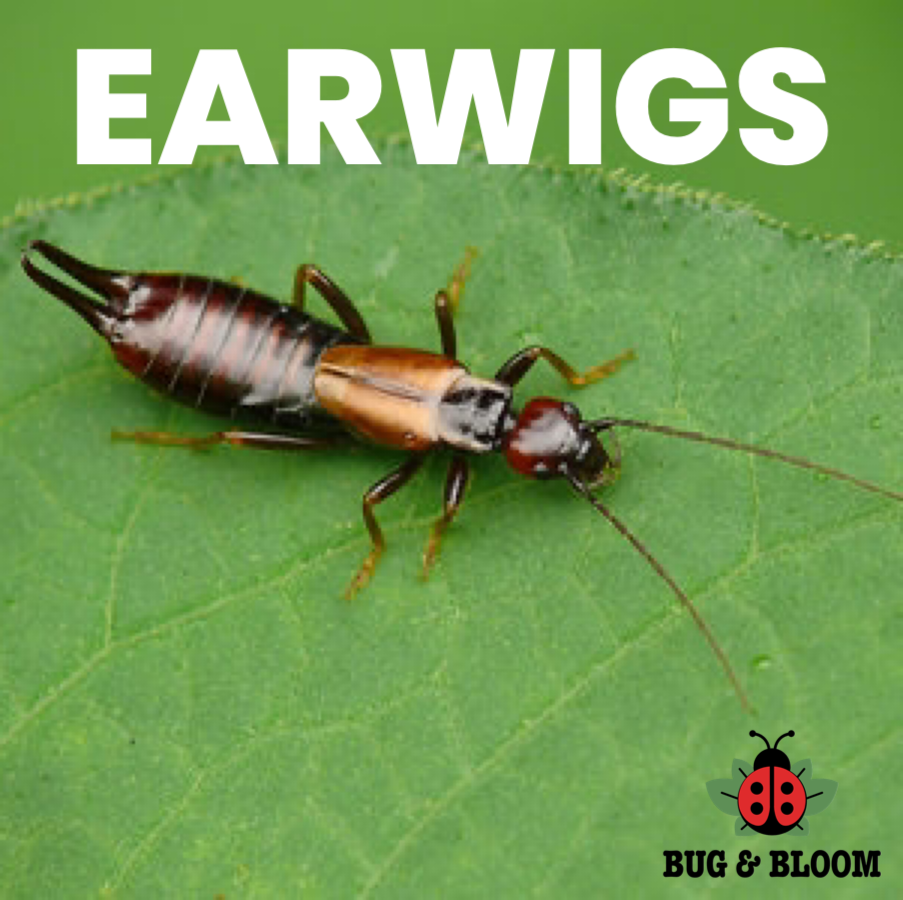
No. This is an old myth with no basis in reality. Earwigs prefer dark, damp, tight spaces like mulch, woodpiles, and under flowerpots. They have no interest in humans and their pincers are purely used for defense against other small insects.
-
Earwigs love moisture and organic matter. Over-irrigated lawns, thick damp mulch, and decaying leaf piles are perfect breeding grounds. They feed on tender plants, soft fruits, and decaying vegetation, which can damage seedlings and flowers.
-
We treat their damp harborages with safe botanical treatments and recommend cultural controls like adjusting irrigation to let the topsoil dry, keeping mulch a few inches away from the home's foundation, and removing wet leaf piles.
Cockroaches FAQ
-
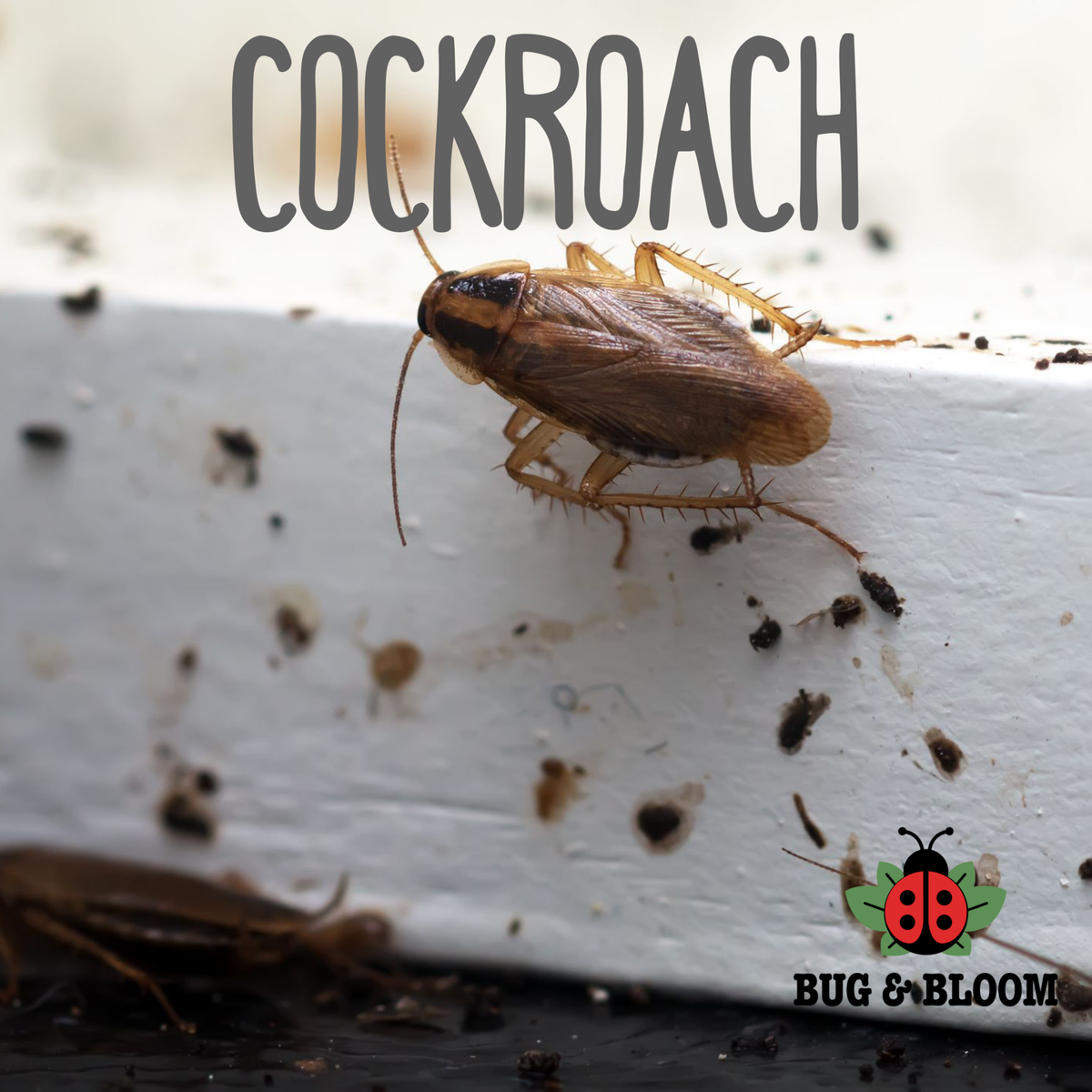
We primarily deal with the American Cockroach (large, reddish-brown "sewer roaches" that live outdoors in sewers and enter via drains) and the German Cockroach (smaller, light brown, nesting exclusively indoors in kitchens/bathrooms and multiplying rapidly).
-
American roaches typically crawl up dry sewer drains, under exterior doors with worn weatherstripping, or through weep holes. German roaches are almost always brought in accidentally inside cardboard boxes, grocery bags, or second-hand appliances.
-
For German roaches, we use high-performance, low-toxicity gel baits and insect growth regulators (IGRs) that disrupt their breeding cycles. For American roaches, we treat outdoor sewer cleanouts, water boxes, and foundation cracks to block them from entering.
Drain Flies FAQ
-
Small, fuzzy, moth-shaped flies hovering around a sink, shower, or floor drain are almost always drain flies (moth flies). They lay eggs in the thin layer of organic gunk — hair, soap scum, biofilm — that builds up on the inside walls of drain pipes. Bathrooms used infrequently (guest baths, laundry room floor drains) are the most common source because that buildup never gets flushed out.
-
Usually not for long. Bleach and most chemical drain cleaners run through the pipe too fast to break down the sticky biofilm layer that clings to the pipe walls, so the larvae underneath survive. This is why homeowners often say the flies "keep coming back" after pouring bleach down the drain repeatedly.
-
We use an enzymatic gel treatment specifically designed to break down the organic biofilm coating the inside of the pipe, removing the breeding material the larvae depend on — not just killing the adult flies you can see. We also inspect for slow drains or unused fixtures that are feeding the problem.
Ticks FAQ
-
Yes — the brown dog tick is extremely well-adapted to hot, dry climates and is by far the most common tick found in Phoenix-area homes. Unlike ticks in wetter regions that need tall grass and humidity, brown dog ticks hide in cracks in block walls, along baseboards, and in shaded yard debris, and can survive Arizona summers without issue.
-
Brown dog ticks are unusual because they can complete their entire life cycle — egg to adult — indoors or in a yard, without ever needing a wild host. A single tick brought home on a dog can multiply into a full infestation in the yard or house within weeks, even if the dog never leaves the property again.
-
We treat the yard perimeter, block wall cracks, and shaded harborage areas where ticks hide between feedings, combined with targeted treatment around the home's foundation to stop movement indoors. We recommend pairing this with your veterinarian's pet-specific tick prevention, since yard treatment alone won't protect a dog that picks up ticks elsewhere.
Leaf-Footed Bugs FAQ
-
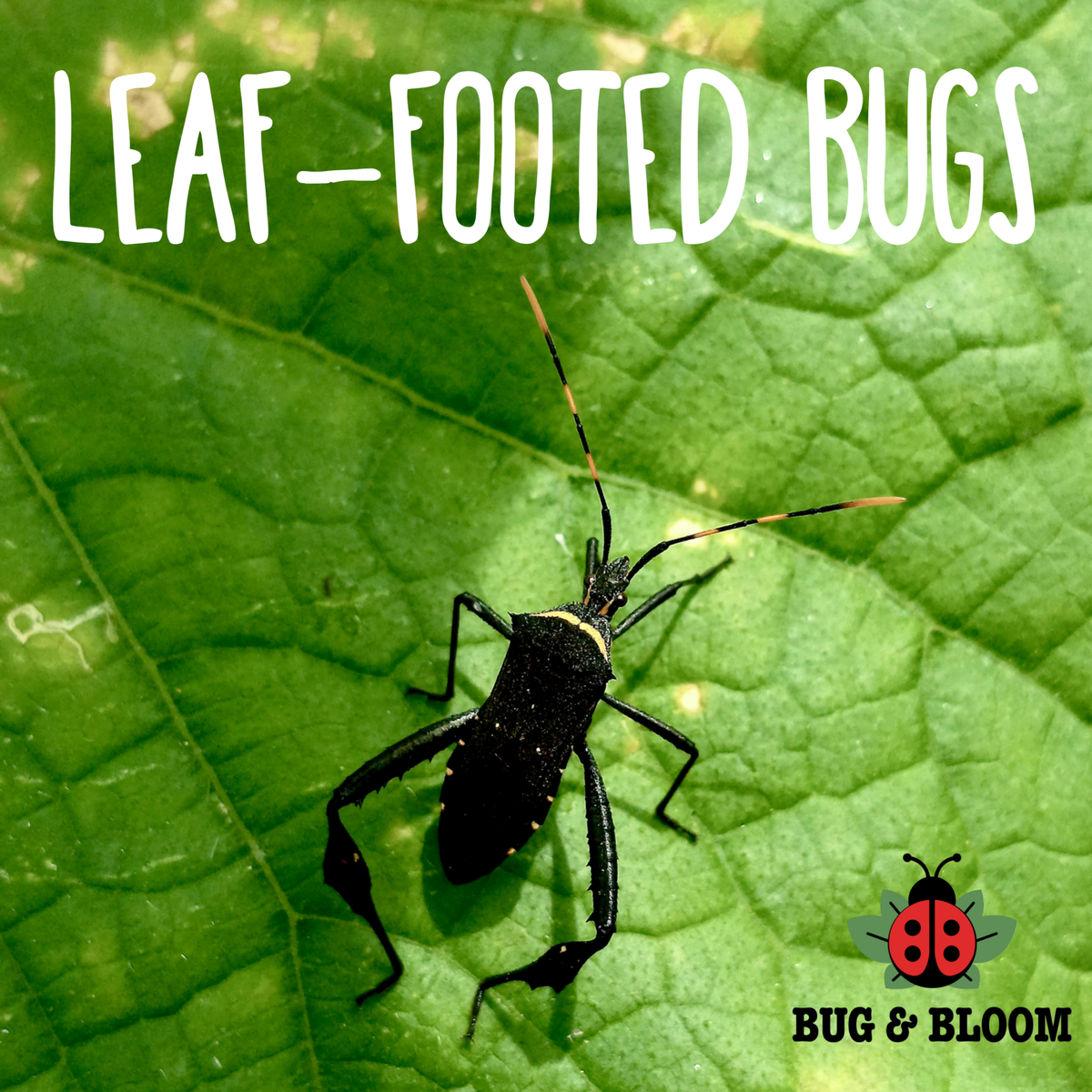
They have needle-like mouthparts that pierce fruits (especially pomegranates, citrus, tomatoes, and peaches) to suck out the juices. This piercing damages the fruit, causes cosmetic blemishes, and introduces yeast and bacteria that lead to internal rotting and premature fruit drop.
-
No. They are strictly plant-feeders and do not bite or sting humans or domestic animals. They are purely a horticultural nuisance, though they can emit a mild unpleasant odor if squeezed or crushed.
-
We use safe horticultural soaps, neem oil treatments, and botanical repellents to protect developing fruit during their peak summer activity. We also recommend keeping the garden clean of debris and weeds where they overwinter.
Still have questions?
We respond to every inquiry — usually same day.
East Valley · Mesa · Gilbert · Chandler
Get Your Free Estimate
We'll assess your property and recommend the right care plan — no pressure, no contracts.